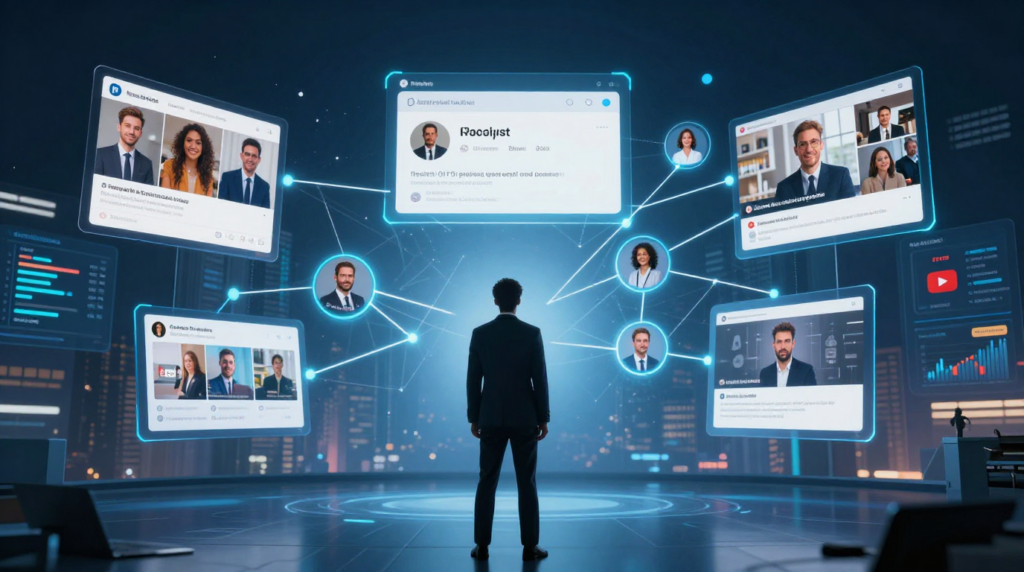
A few years ago, many businesses still viewed influencer marketing as something mainly relevant for fashion brands, beauty products, or consumer trends on Instagram.
That has changed dramatically.
Today, influencer marketing has become a serious business development and sales channel used by:
- global brands
- B2B companies
- startups
- software firms
- niche businesses
- and even professional services companies
The reason is simple:
Consumers increasingly trust people more than advertisements.
People are overloaded with ads, sponsored messages, cold outreach, and corporate marketing campaigns. Influencers, creators, and niche experts often feel more authentic, relatable, and trustworthy.
According to Sprout Social, the influencer marketing industry was projected to exceed $32 billion globally, showing how rapidly businesses are increasing investment in creator partnerships.
But while influencer marketing creates major opportunities, it also creates risks.
Many businesses rush into influencer campaigns without:
- proper research
- clear objectives
- performance measurement
- or brand alignment
The result is often wasted budgets and weak outcomes.
The real challenge is not whether influencer marketing works.
The real challenge is:
How do businesses use influencer marketing strategically and authentically?
3 Key Takeaways
- Influencer marketing works best when trust and audience alignment are stronger than follower numbers.
- Micro and niche influencers often generate better engagement than celebrity creators.
- Businesses should focus on long-term relationships and measurable outcomes instead of one-off promotional posts.

Invest in your growth — get my Sales Growth book on Amazon HERE and start transforming your business today.
If you’re looking to grow your sales and build stronger client relationships, take a look at how I help teams like yours — and feel free to reach out for a chat.
What Is Influencer Marketing?
Influencer marketing is the process of collaborating with individuals who have built an audience and influence within a specific niche, industry, or community.
These influencers may promote:
- products
- services
- brands
- events
- or business messages
through platforms such as:
- TikTok
- YouTube
- blogs
- podcasts
- or newsletters
The concept itself is straightforward.
A business partners with someone who already has:
- trust
- visibility
- credibility
- and audience attention
Instead of marketing directly to consumers through traditional advertising, the business leverages the relationship the influencer already has with their audience.
The real value is not reach alone. It is trust transfer.
Why Is Influencer Marketing Growing So Fast?
Because consumer behavior has changed.
People increasingly:
- ignore advertisements
- skip paid promotions
- and trust peer recommendations more than corporate messaging
According to Influencer Marketing Statistics, influencer marketing generates an average return of approximately $5.78 for every $1 spent.
At the same time:
- 86% of consumers report making purchases influenced by creators or influencers at least once per year
- the creator economy continues to grow rapidly worldwide
This explains why businesses are moving budgets away from some traditional advertising channels and into creator partnerships.
But there is another important reason.
Influencer marketing often feels more human.
A recommendation from a creator someone follows daily feels very different from a banner advertisement or a cold sales message.
Don’t miss out — check out the latest Growth Stack Landscape! I’ve mapped the essential tools every growth and GTM team needs to drive results. Access it HERE
How Do Businesses Choose The Right Influencers?
This is where many campaigns fail.
Businesses often focus too heavily on:
- follower numbers
- popularity
- or viral reach
Instead of asking:
- Does this audience actually match our target market?
- Does this influencer align with our values?
- Is their engagement authentic?
- Would their audience realistically buy from us?
In many cases, micro-influencers outperform larger influencers.
According to Impact.com, smaller creators can generate significantly higher engagement rates than larger celebrity-style influencers.
Why?
Because their communities are usually:
- more niche
- more engaged
- and more trusted
For example:
- a cybersecurity company may gain more value from a respected LinkedIn cybersecurity expert with 15,000 followers than a lifestyle creator with 2 million followers
- a B2B SaaS company may perform better partnering with industry consultants or operational experts rather than mainstream influencers
Audience relevance matters more than audience size.
What Are The Benefits Of Influencer Marketing?
When done correctly, influencer marketing can create several advantages.
Increased Brand Awareness
Influencers already have access to communities businesses may struggle to reach organically.
This can significantly improve:
- visibility
- credibility
- and market exposure
Faster Trust Building
Trust is one of the hardest things to build in marketing.
Influencers accelerate trust because the audience already follows and values their opinions.
People buy faster when trust already exists.
Better Engagement
Creator-led content often performs better than traditional branded content because it feels more natural and less corporate.
According to Aspire’s Influencer Marketing Research Summary, many brands report higher engagement and stronger ROI from creator content compared to traditional digital advertising.
Cost-Effective Marketing
Compared to television, print, or large digital campaigns, influencer marketing can be relatively affordable—especially for smaller businesses.
This is particularly powerful for:
- startups
- niche brands
- and businesses entering new markets
What Are The Risks Of Influencer Marketing?
This is the part many businesses underestimate.
Influencer marketing is not risk-free.
Brand Reputation Risk
An influencer becomes partially associated with your business.
If they behave unethically or become involved in controversy, your brand may also suffer reputational damage.
This is why due diligence matters.
Fake Followers And Artificial Engagement
Not all audiences are real.
Some influencers artificially inflate:
- followers
- likes
- comments
- and engagement metrics
Businesses should analyze:
- engagement quality
- audience authenticity
- comment relevance
- and audience demographics
before partnering.
Difficulty Measuring ROI
One of the biggest challenges remains attribution.
It is not always easy to directly connect:
- views
- engagement
- or awareness
to actual sales performance.
This is why businesses increasingly use:
- affiliate links
- discount codes
- tracking URLs
- and analytics platforms
to improve measurement.
Legal And Compliance Risks
Sponsored content often requires proper disclosure.
Regulators increasingly monitor transparency around paid promotions and affiliate marketing.
Businesses must ensure influencer partnerships comply with:
- advertising standards
- disclosure rules
- and platform guidelines
Should Businesses Focus On Long-Term Influencer Relationships?
In many cases, yes.
One-off promotional posts often feel transactional and artificial.
Long-term collaborations tend to:
- build stronger credibility
- improve consistency
- and generate better audience trust
Recent industry trends also show brands increasingly moving toward deeper creator partnerships instead of isolated sponsorships.
This creates:
- stronger storytelling
- more authentic content
- and better alignment between creator and brand
The best influencer partnerships often look less like advertising and more like genuine advocacy.
Is Influencer Marketing Only For Consumer Brands?
Not anymore.
B2B influencer marketing is growing quickly.
Today, many professionals follow:
- consultants
- analysts
- industry experts
- LinkedIn creators
- podcast hosts
- and niche educators
before making purchasing decisions.
This creates opportunities for:
- software companies
- consulting firms
- cybersecurity businesses
- fintech companies
- and professional service providers
The format may differ from consumer influencer campaigns, but the principle remains the same:
Trusted voices influence buying decisions.
Conclusion
Influencer marketing has evolved from a trendy marketing tactic into a serious business development and growth channel.
Used strategically, it can:
- increase visibility
- accelerate trust
- improve engagement
- and help businesses access entirely new audiences
But businesses should avoid treating influencers as simple advertising tools.
The strongest campaigns usually come from:
- authentic relationships
- aligned audiences
- relevant content
- and long-term collaboration
At the end of the day, influencer marketing works for the same reason all strong business relationships work:
People trust people more than they trust brands.
FAQs
1. Is influencer marketing suitable for small businesses?
Yes. In fact, smaller businesses often benefit significantly because influencer campaigns can be more affordable and targeted than traditional advertising.
2. Are micro-influencers better than large influencers?
Often yes. Micro-influencers usually have more engaged and trusted audiences, especially in niche industries.
3. What is the biggest mistake businesses make with influencer marketing?
Choosing influencers based only on follower numbers instead of audience relevance, trust, authenticity, and alignment with business objectives.
FREE White Paper – Grow your sales internationally: Click HERE
FREE How To Guide – Navigating through sales opportunities: Click HERE
FREE Starter Kit – Powering up your lead generation: Click HERE
If you’d like to receive more insights like this and be part of a small group I email from time to time, just sign up using this link.
In case you are looking to grow your business, I am here for you. Fill up THIS form and let’s talk.